Save SNAP-Ed

Exploring ways to preserve SNAP-Ed

#SAVESNAPED #SNAPEDWORKS

Video Resources

SNAP-Ed saves money and stretches dollars.

Congress is considering a bill that would eliminate SNAP-Ed—a critical program that helps low-income families make healthier food choices and lead more active lives.

SNAP-Ed is a proven, cost-effective program that empowers people who receive SNAP to improve their health, stretch their food dollars, and become self-reliant.

Take action using the Save SNAP-Ed Advocacy Toolkit or by sharing the resources below with your network!

Read the rebuttal to the Statement that SNAP-Ed is duplicative.

Alabama Public School Teacher

"I am a public school teacher. I have taught first and third grade. In each grade level, SNAP-Ed has made tremendous contributions to our school and our students. Mrs. Ginger routinely visits our

Elementary and Middle School Reading Specialist

"Although I am retired, I work part time as a reading interventionist at Parrish Elementary/Middle School in Alabama. Year after year, I see first hand how much Snap-Ed positively impacts students’ attitude towards

Alabama Teacher

"Ginger encourages educators to grow & learn. She told me & my coworker about AG in the Classroom and helped us apply for a grant!!! The information we learned will help students for

Alabama Grandmother

"The Live Well Alabama program from the Alabama Cooperative Extension System - Auburn University is a wonderful community outreach tool that helps children and adults learn about good nutrition and the benefits of

Kindergarten Teacher

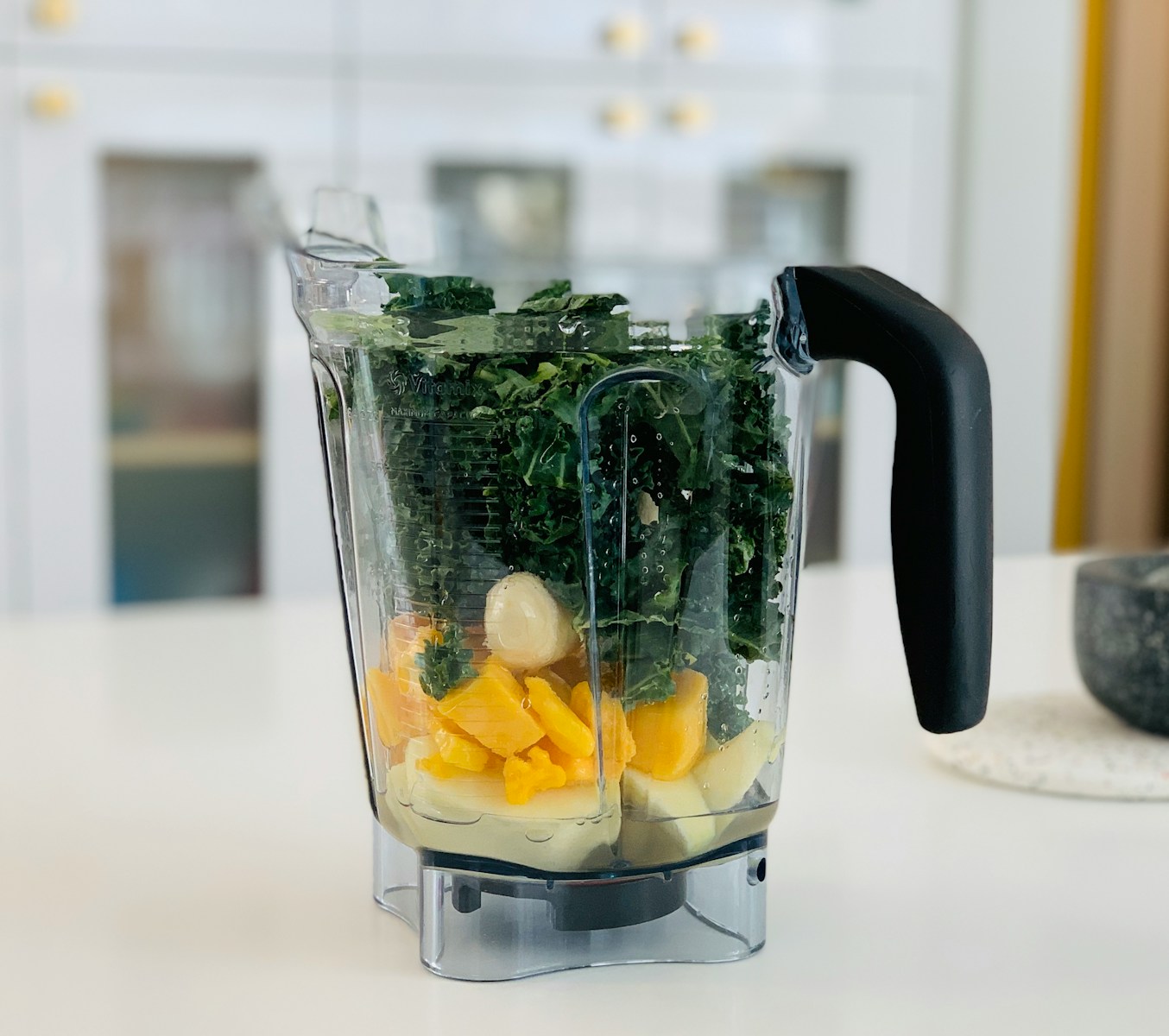
"After a program on smoothies in my kindergarten classroom, I have really thought more about what goes into our foods. The students loved the lesson and so did I. I could do better

Non-Profit Director Partners with SNAP-Ed

"I am the site director of two non-profits. One is an educational program and the other is a poverty program. Both programs have partnered with SNAP- ED to help our community. The educational

Kansas SNAP-Ed Participant

"SNAP-Ed brought vital healthy tips for grocery shopping, snacking, and cooking ideas. This allowed me to share with my kiddos, family and friends the things I was learning along the way. It got

Dakota County 11-Year-Old Gives Back

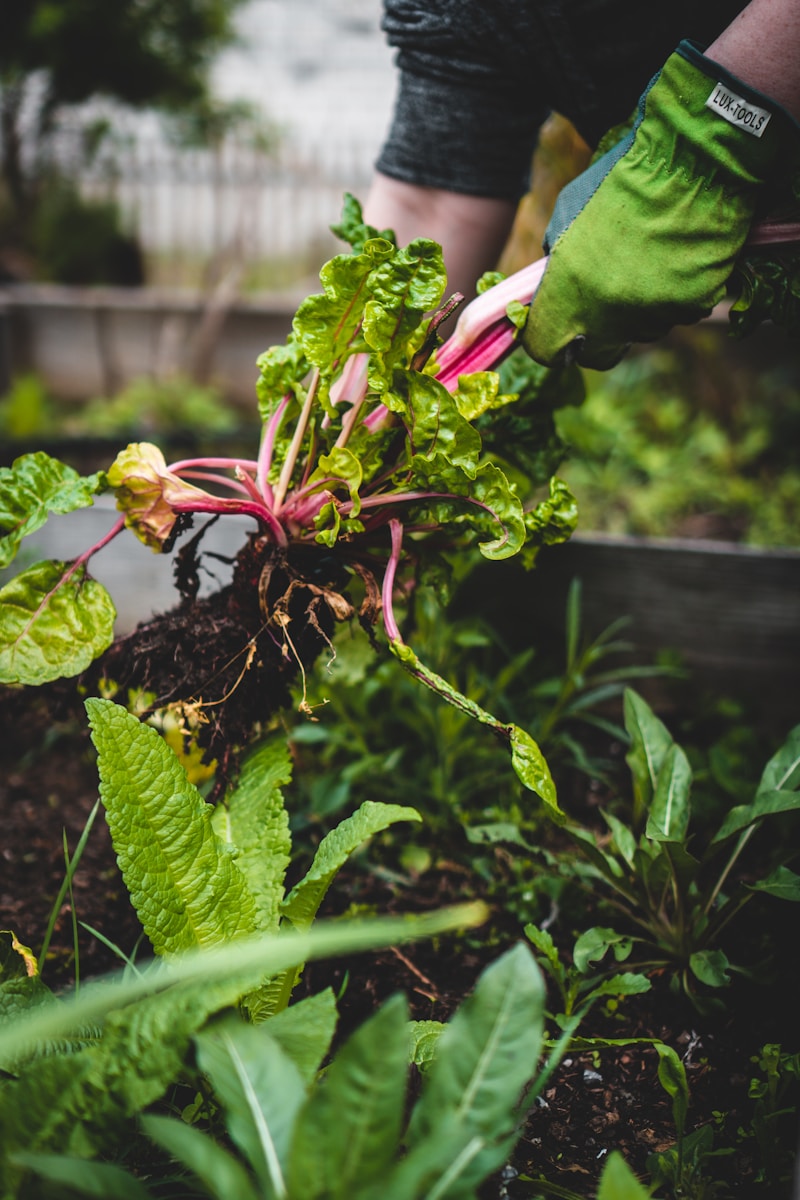
"SNAP-Ed through the Growing Together Nebraska project, coordinates two grant funded gardens, run by volunteers. Over 100 volunteers are engaged in this project each summer. A community member saw the Cooperative Learning Garden

Lincoln Public Schools Educator

"I oversee curriculum and instruction in the Lincoln Public Schools Health Education programming. We have partnered with local SNAP-Ed Nutrition Educators over the past decade to provide incredible Nutrition Education to over 18,000

Community Garden Manager

"I manage a kids’ community garden in North Omaha.  40% of the children living in this area food insecure.  Our garden is part of The Hope Center for Kids, a non-profit safe after-school

Nebraska Community Member

"Children in our community have had a chance to taste nutrient dense food, because of SNAP-ED programs. Many of these children would have only tasted these foods without SNAP-ED. As they learn about

Nebraska Community Gardener

"I am a community Gardner. We raise fresh produce that is donated for the Snap-Ed program. Last year we donated 14,000 lbs of produce for the program. One lady told us that she

Research Articles

LT17: Health Care Cost Savings

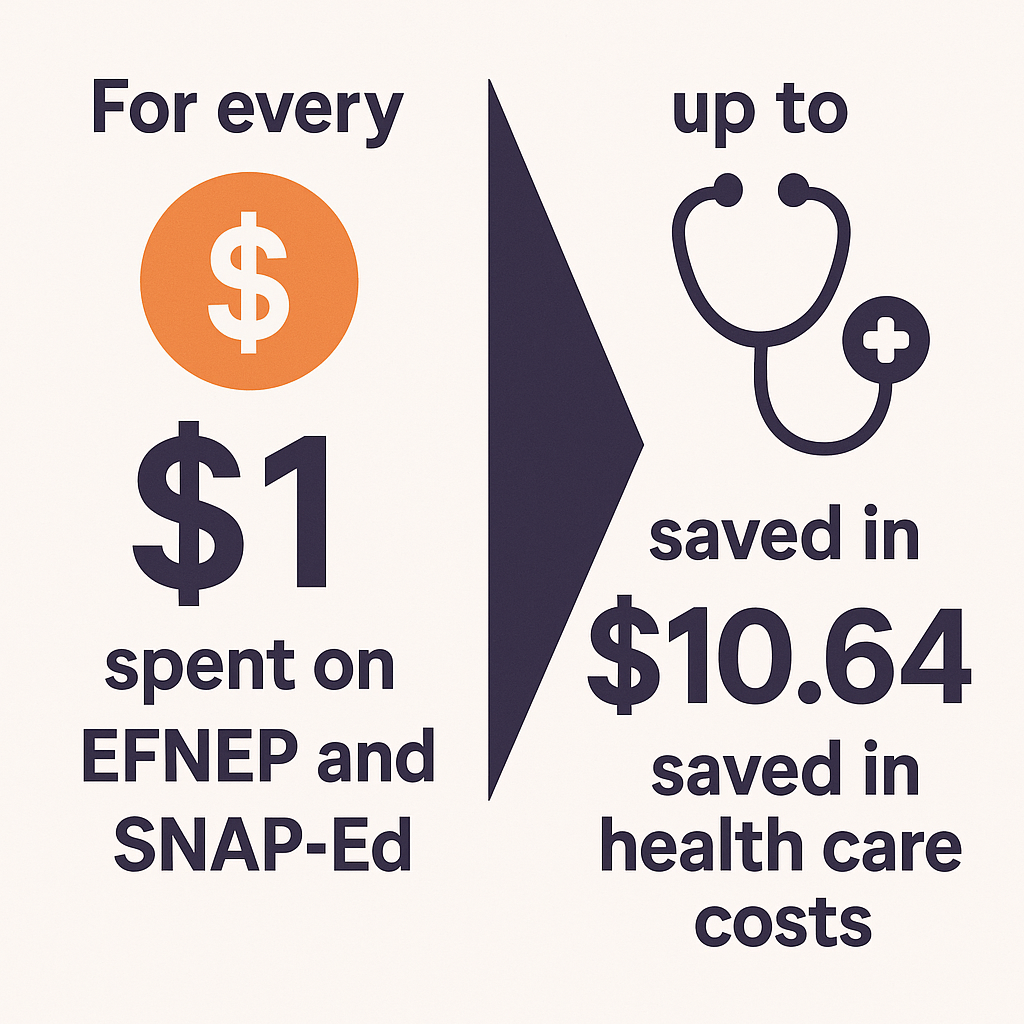
“Existing studies show that for every $1 spent to implement programs such as EFNEP and SNAP-Ed education programs, up to $10.64 is saved in health care costs.5 These studies pre-date the provisions of HHFKA and SNAP-Ed's expanded reach through comprehensive scope of services, thus we anticipate potential health care costs savings to be even greater.”
SNAP-Ed (Supplemental Nutrition Assistance Program-Education) Increases Long-Term Food Security among Indiana Households with Children in a Randomized Controlled Study

Rivera, R. L., Maulding, M. K., Abbott, A. R., Craig, B. A., & Eicher-Miller, H. A. (2016). SNAP-Ed (Supplemental Nutrition Assistance Program-Education) Increases Long-Term Food Security among Indiana Households with Children in a Randomized Controlled Study. The Journal of nutrition, 146(11), 2375–2382. https://doi.org/10.3945/jn.116.231373
The SNAP-Ed Evaluation Framework: demonstrating the impact of a national framework for obesity prevention in low-income populations

This article introduces and describes the benefits of the newly developed SNAP-Ed Evaluation Framework (Framework) and companion Interpretive Guide to consistently measure SNAP-Ed outcomes across different settings
Effect of Supplemental Nutrition Assistance Program–Education (SNAP-Ed) on food security and dietary outcomes

This narrative review summarizes current investigations of SNAP-Ed’s effectiveness at improving food security and dietary outcomes, and it can help inform future policy and implementation of the program.
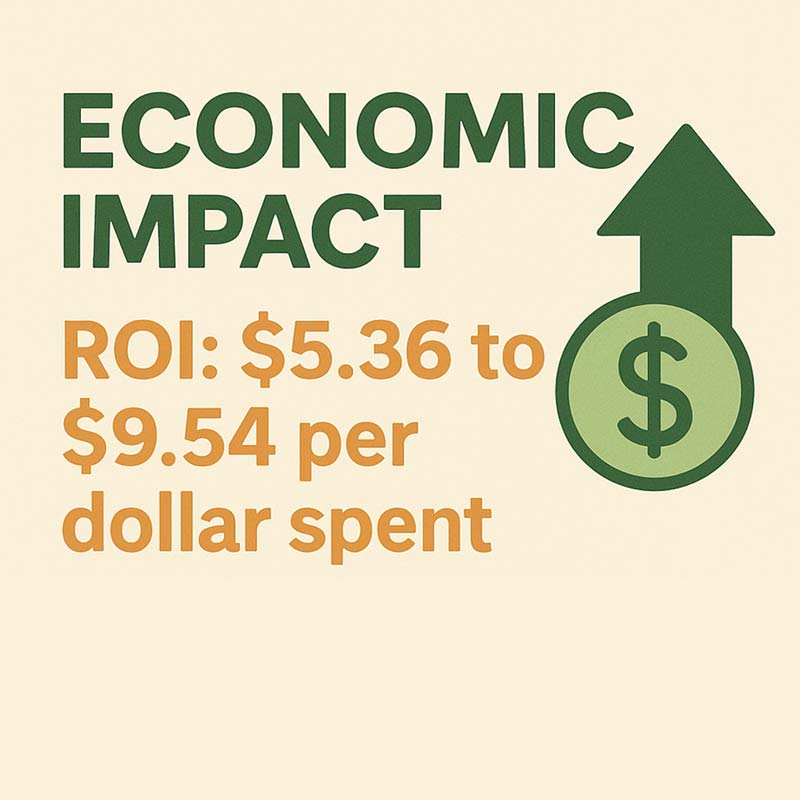
Cost-benefit analysis conducted for nutrition education in California:

A cost-benefit analysis was conducted using the program demographics and food-related dietary behavior of participants enrolled in California’s Expanded Food and Nutrition Education Program (EFNEP), based on methodology developed by Virginia Cooperative Extension.
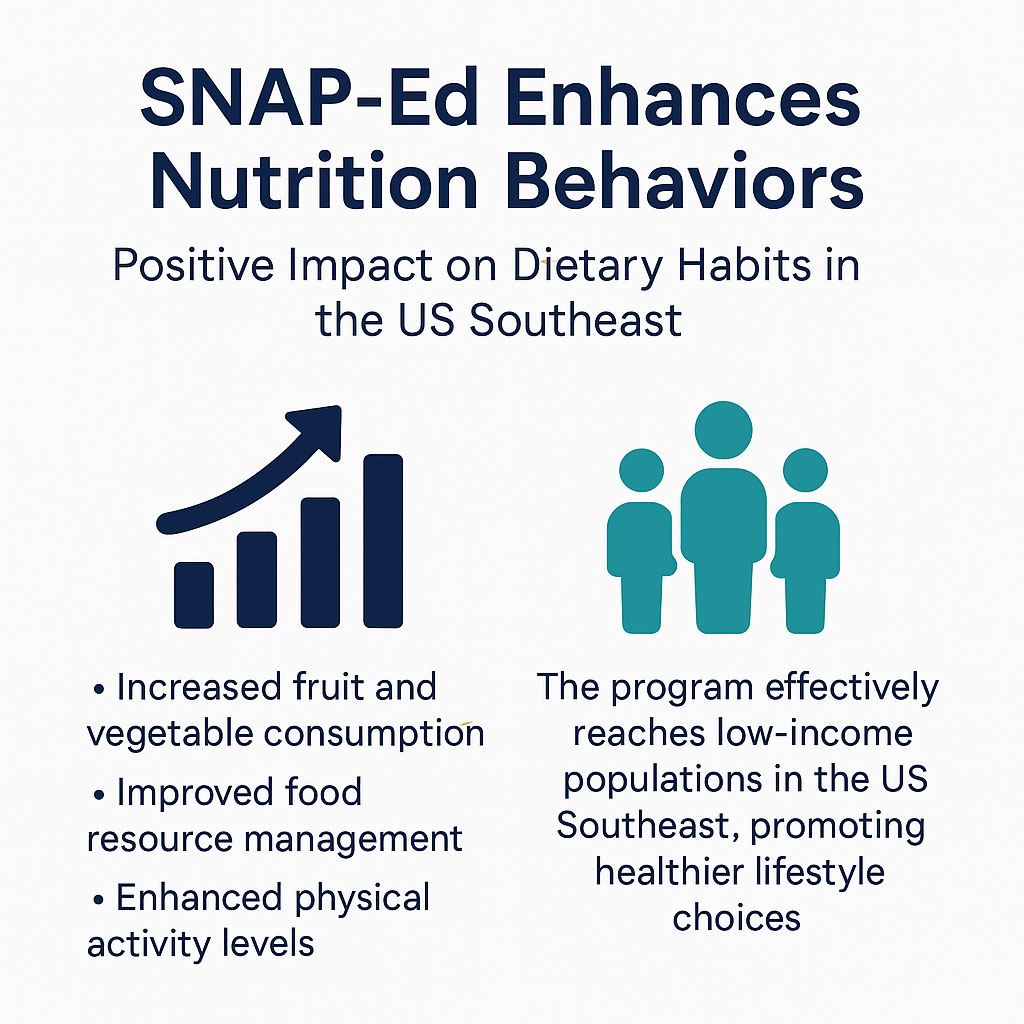
The US Supplemental Nutrition Assistance Program – Education improves nutrition-related behaviors

This study suggests that SNAP-Ed direct education is associated with positive behaviour changes in the US Southeast.
Supplemental Nutrition Assistance Program Education reductions during COVID-19 may have exacerbated health inequities

Woodward-Lopez, G., Esaryk, E. E., Hewawitharana, S. C., Kao, J., Talmage, E., & Rider, C. D. (2023).

Making Headlines

“[SNAP] is really MAHA for low-income people,” Jerry Mande, adjunct professor of nutrition at Harvard T.H. Chan School of Public Health, told your host. “Not just SNAP recipients, but all low-income people.”
The Supplemental Nutrition Assistance Program Education, or SNAP-Ed, faces elimination in a GOP bill, sparking concerns about the impact on low-income Americans' health education.
"The cost of this program is roughly half a billion dollars a year, not even a rounding error in the federal budget. Cutting it does no good for anyone, undercuts the MAHA (Make America Healthy Again) agenda, and is thoughtless and unnecessary."
“It does, in fact, enact deep cuts to Medicaid and SNAP that will result in eligible people losing those benefits. It will raise grocery prices and health care costs for tens of thousands of West Virginia families,”
“The loss of SNAP-Ed funding may further hinder public health efforts, reducing resources for obesity prevention and nutrition education in immigrant communities. States may face pressure to cover these gaps, but fiscal constraints could limit such efforts, disproportionately harming low-income and immigrant populations.”
An initial analysis by the Wisconsin DHS showed that a set of proposals in the new bill to cut funding for the SNAP program would take food away from families, shift costs to Wisconsin taxpayers, and increase red-tape requirements, making it harder for parents, kids, people with disabilities, and older adults to get food assistance.

Take Action Today!​