Save SNAP-Ed

Exploring ways to preserve SNAP-Ed

#SAVESNAPED #SNAPEDWORKS

Video Resources

SNAP-Ed saves money and stretches dollars.

Congress is considering a bill that would eliminate SNAP-Ed—a critical program that helps low-income families make healthier food choices and lead more active lives.

SNAP-Ed is a proven, cost-effective program that empowers people who receive SNAP to improve their health, stretch their food dollars, and become self-reliant.

Take action using the Save SNAP-Ed Advocacy Toolkit or by sharing the resources below with your network!

Read the rebuttal to the Statement that SNAP-Ed is duplicative.

Flathead Indian Reservation SNAP-Ed Partner
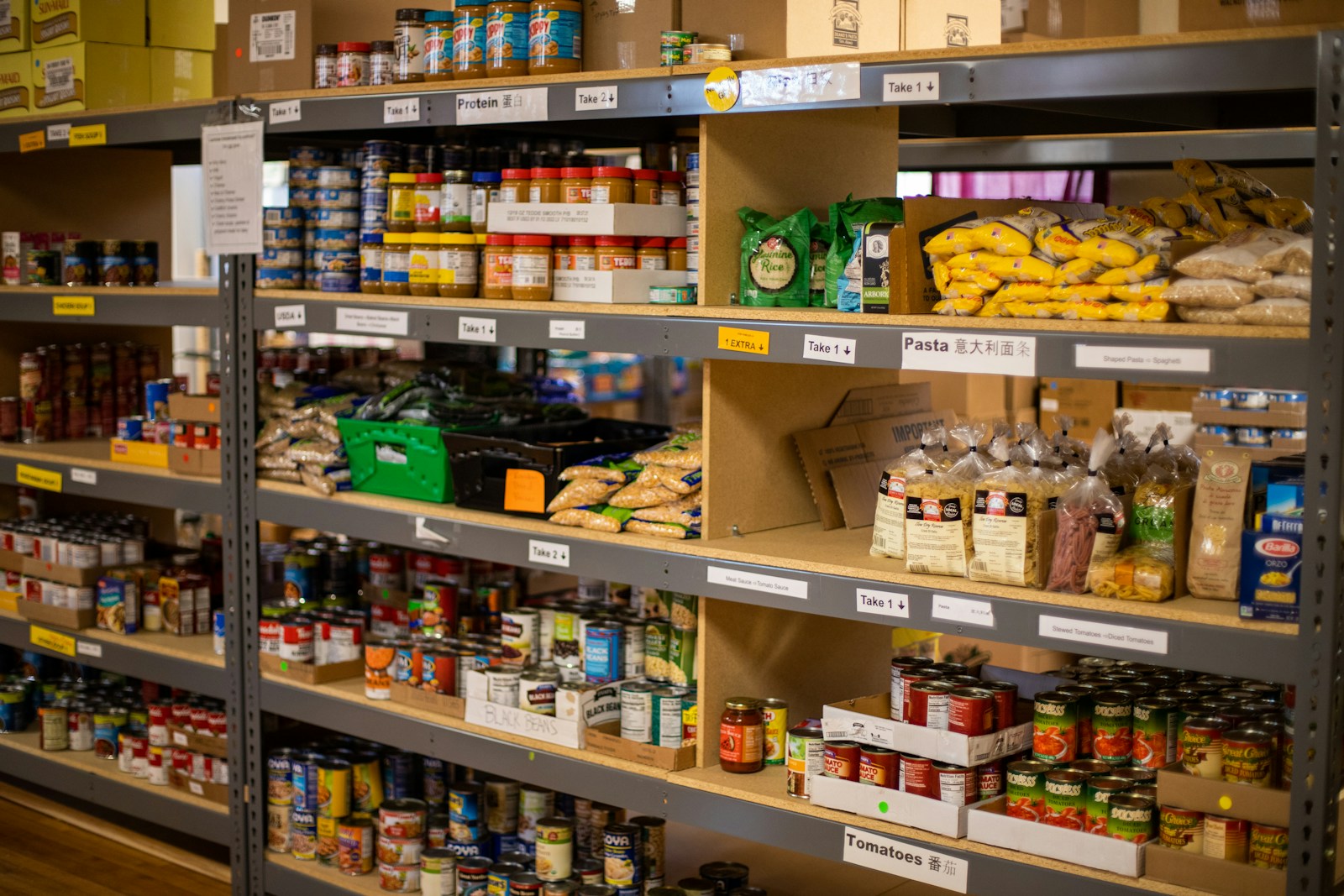
"We work directly with the SNAP Educators on the Flathead Indian Reservation in Montana. They go over and above to support local and statewide partners for students to receive fresh, quality food at

Virginia SNAP-Ed Provides Training to Pantries
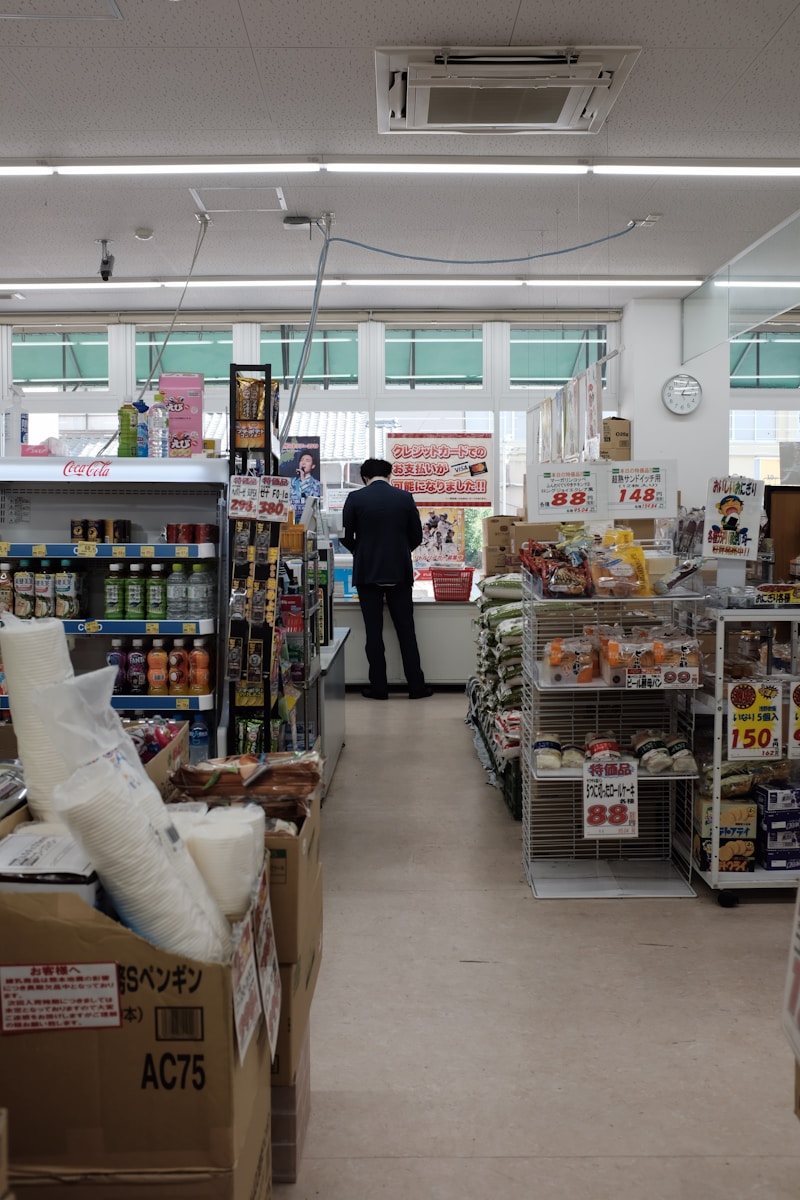
"Emergency Food Sites, which include Food Banks and Food Pantries, play a crucial role for Virginians facing food insecurity to obtain food for themselves and their family’s needs. They serve also as a

SNAP-Ed: The Backbone of a Virginia Rural Town

"At the Jon Henry General Store in New Market, Virginia you'll find SNAP Ed Agent Kelsey providing hands-on, in store education to shoppers once a week. Through a long partnership with SNAP Ed,

SNAP-Ed Teaches Kids While Supporting Farmers

"For 5 years, SNAP Ed agent Andrea has been a fixture at the Abingdon Farmers Market on Tuesday afternoons. Andrea runs the market's Kid Bucks program, which is sponsored by a local Pediatrics

Fourth Graders in San Juan County

"Cabbage, brussels sprouts, bok choy… Foods often categorized as child-unfriendly. A San Juan County SNAP-Ed educator had a mind to test that notion at Park Avenue Elementary, where she was able to join

An Albuquerque Mom

"One Albuquerque mother, already capable of handling multiple sport schedules and a full-time job as a teacher, reached out to SNAP-Ed to see how else she could improve her family's well-being. She was

Elementary Student Maintains Changes Years Later

"I've been teaching SNAP Education for over 15 years. Recently I was in a drive thru and I heard a voice from the window yelling my name. It was one of my former

John and Mary

"John and his wife Mary joined the Buy. Eat. Live Healthy Series, after seeing the Buy. Eat. Live Healthy brochure at the local food bank. Mary wanted to join the program as she

Paul, 73

"At 73 years old, Paul was diagnosed with heart disease, a wake-up call that prompted him to rethink his lifestyle. He met me at a mobile food pantry and originally said he wasn’t

Prairie Ridge Drop-In Center Participants
"I taught the nutrition program Buy. Eat. Live Healthy to a group of 5 individuals at the local Prairie Ridge Drop-In Center. This group consisted of various age ranges and individuals regularly utilized

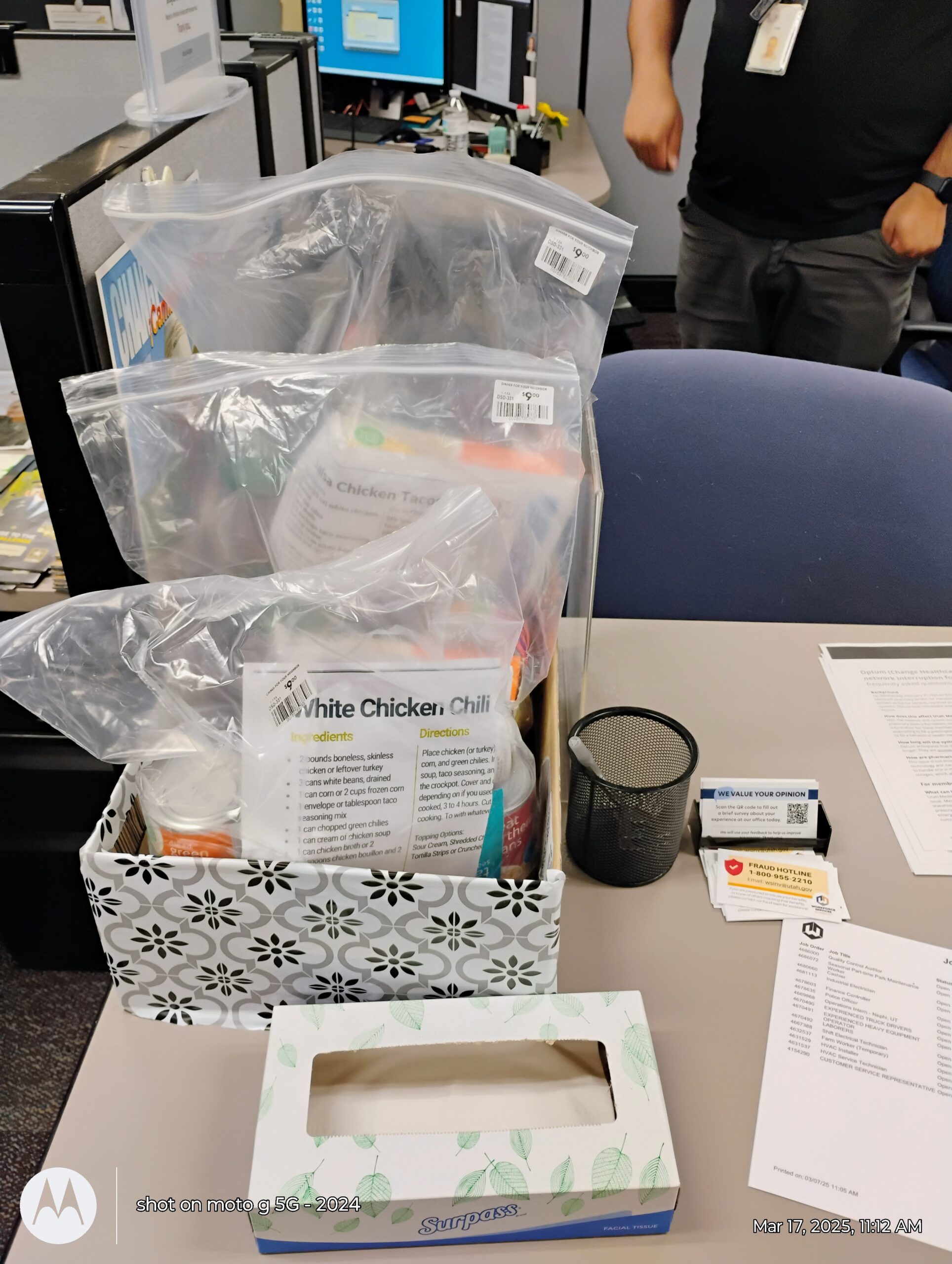
Utah Community Member

"A man came into the Department of Workforce Services office and signed up for SNAP benefits, on his way out he picked up one of a SNAP-Ed meal kit we had left in

Utah SNAP-Ed Participant

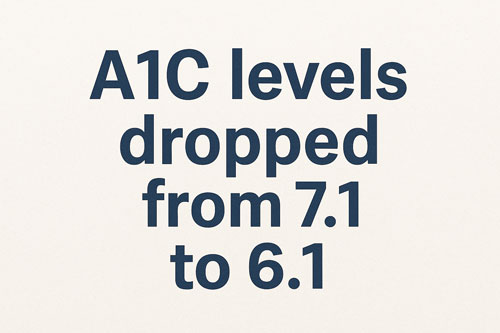
“My doctor told me to come back and thank [the SNAP-Ed educator] because you are teaching me to eat healthy and my A1C levels dropped from 7.1 to 6.1."

Research Articles

LT17: Health Care Cost Savings

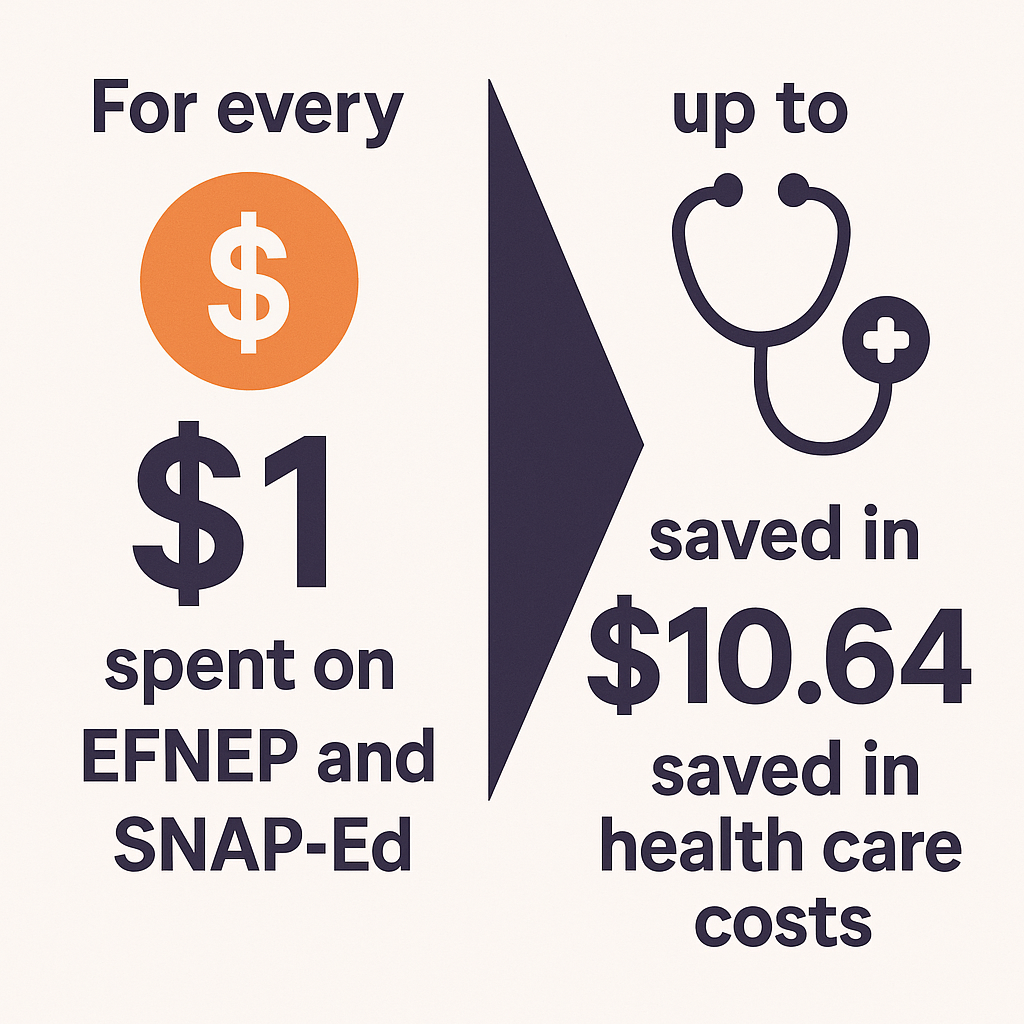
“Existing studies show that for every $1 spent to implement programs such as EFNEP and SNAP-Ed education programs, up to $10.64 is saved in health care costs.5 These studies pre-date the provisions of HHFKA and SNAP-Ed's expanded reach through comprehensive scope of services, thus we anticipate potential health care costs savings to be even greater.”
SNAP-Ed (Supplemental Nutrition Assistance Program-Education) Increases Long-Term Food Security among Indiana Households with Children in a Randomized Controlled Study

Rivera, R. L., Maulding, M. K., Abbott, A. R., Craig, B. A., & Eicher-Miller, H. A. (2016). SNAP-Ed (Supplemental Nutrition Assistance Program-Education) Increases Long-Term Food Security among Indiana Households with Children in a Randomized Controlled Study. The Journal of nutrition, 146(11), 2375–2382. https://doi.org/10.3945/jn.116.231373
The SNAP-Ed Evaluation Framework: demonstrating the impact of a national framework for obesity prevention in low-income populations

This article introduces and describes the benefits of the newly developed SNAP-Ed Evaluation Framework (Framework) and companion Interpretive Guide to consistently measure SNAP-Ed outcomes across different settings
Effect of Supplemental Nutrition Assistance Program–Education (SNAP-Ed) on food security and dietary outcomes

This narrative review summarizes current investigations of SNAP-Ed’s effectiveness at improving food security and dietary outcomes, and it can help inform future policy and implementation of the program.
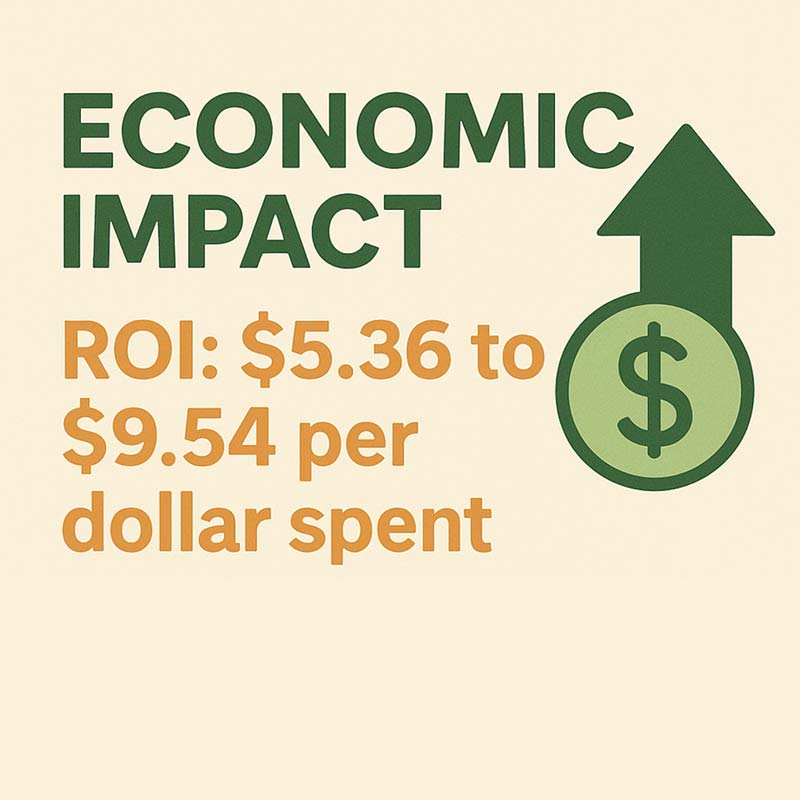
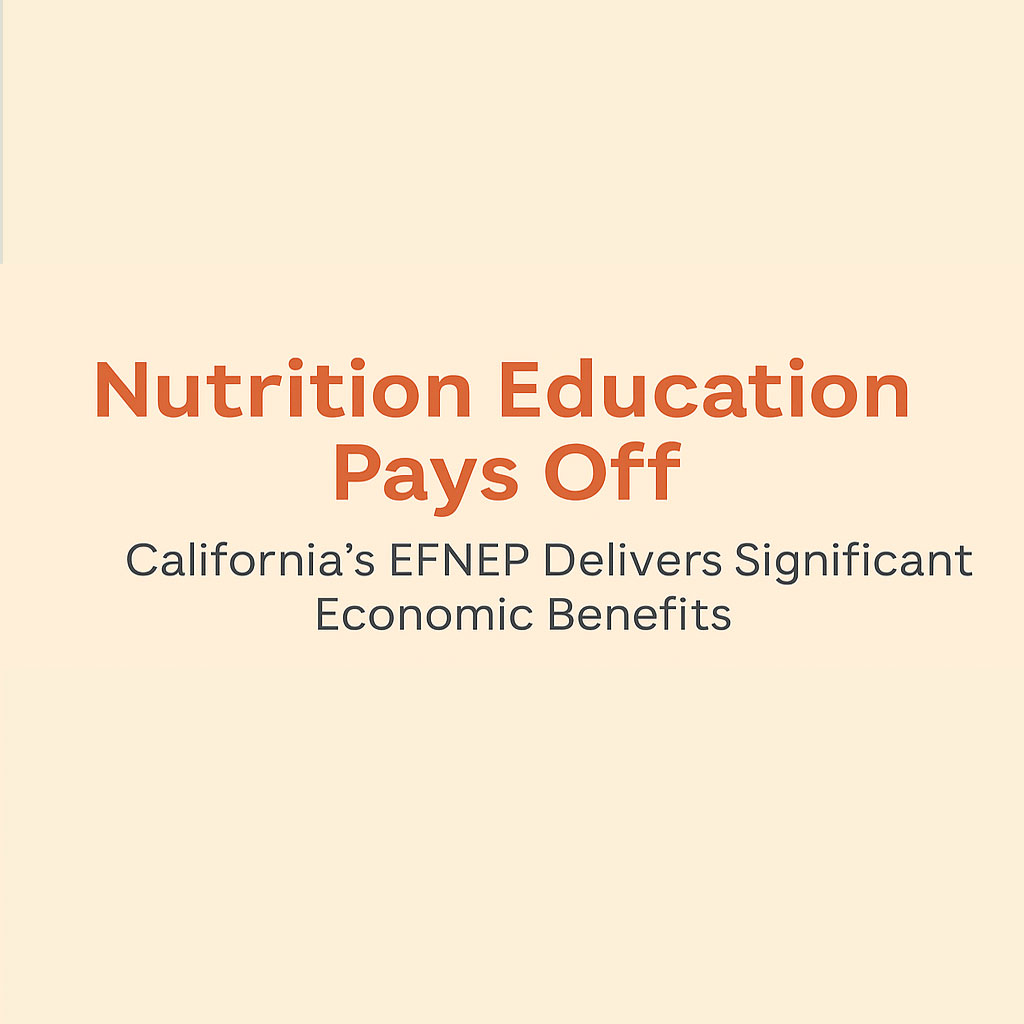
Cost-benefit analysis conducted for nutrition education in California:

A cost-benefit analysis was conducted using the program demographics and food-related dietary behavior of participants enrolled in California’s Expanded Food and Nutrition Education Program (EFNEP), based on methodology developed by Virginia Cooperative Extension.
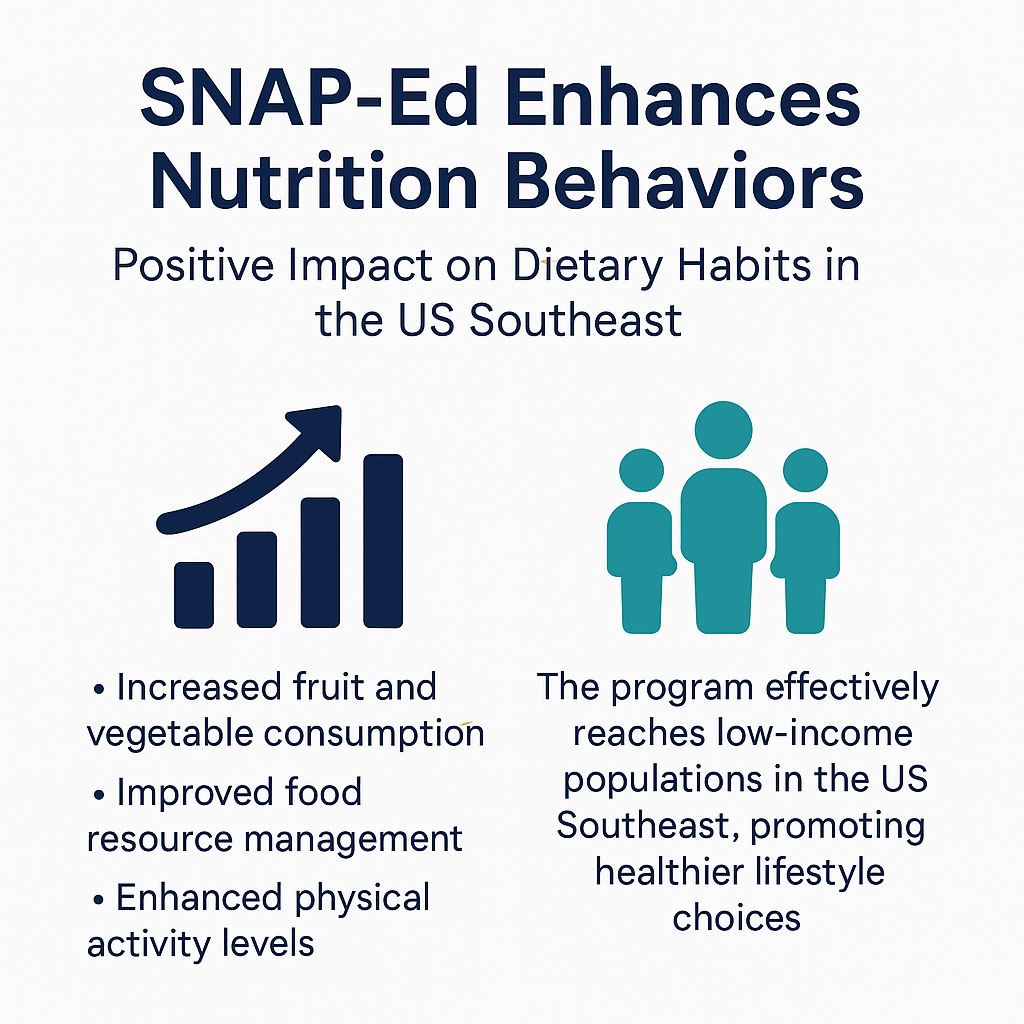
The US Supplemental Nutrition Assistance Program – Education improves nutrition-related behaviors

This study suggests that SNAP-Ed direct education is associated with positive behaviour changes in the US Southeast.
Supplemental Nutrition Assistance Program Education reductions during COVID-19 may have exacerbated health inequities

Woodward-Lopez, G., Esaryk, E. E., Hewawitharana, S. C., Kao, J., Talmage, E., & Rider, C. D. (2023).

Making Headlines

“[SNAP] is really MAHA for low-income people,” Jerry Mande, adjunct professor of nutrition at Harvard T.H. Chan School of Public Health, told your host. “Not just SNAP recipients, but all low-income people.”
The Supplemental Nutrition Assistance Program Education, or SNAP-Ed, faces elimination in a GOP bill, sparking concerns about the impact on low-income Americans' health education.
"The cost of this program is roughly half a billion dollars a year, not even a rounding error in the federal budget. Cutting it does no good for anyone, undercuts the MAHA (Make America Healthy Again) agenda, and is thoughtless and unnecessary."
“It does, in fact, enact deep cuts to Medicaid and SNAP that will result in eligible people losing those benefits. It will raise grocery prices and health care costs for tens of thousands of West Virginia families,”
“The loss of SNAP-Ed funding may further hinder public health efforts, reducing resources for obesity prevention and nutrition education in immigrant communities. States may face pressure to cover these gaps, but fiscal constraints could limit such efforts, disproportionately harming low-income and immigrant populations.”
An initial analysis by the Wisconsin DHS showed that a set of proposals in the new bill to cut funding for the SNAP program would take food away from families, shift costs to Wisconsin taxpayers, and increase red-tape requirements, making it harder for parents, kids, people with disabilities, and older adults to get food assistance.

Take Action Today!​